Category Archives: News

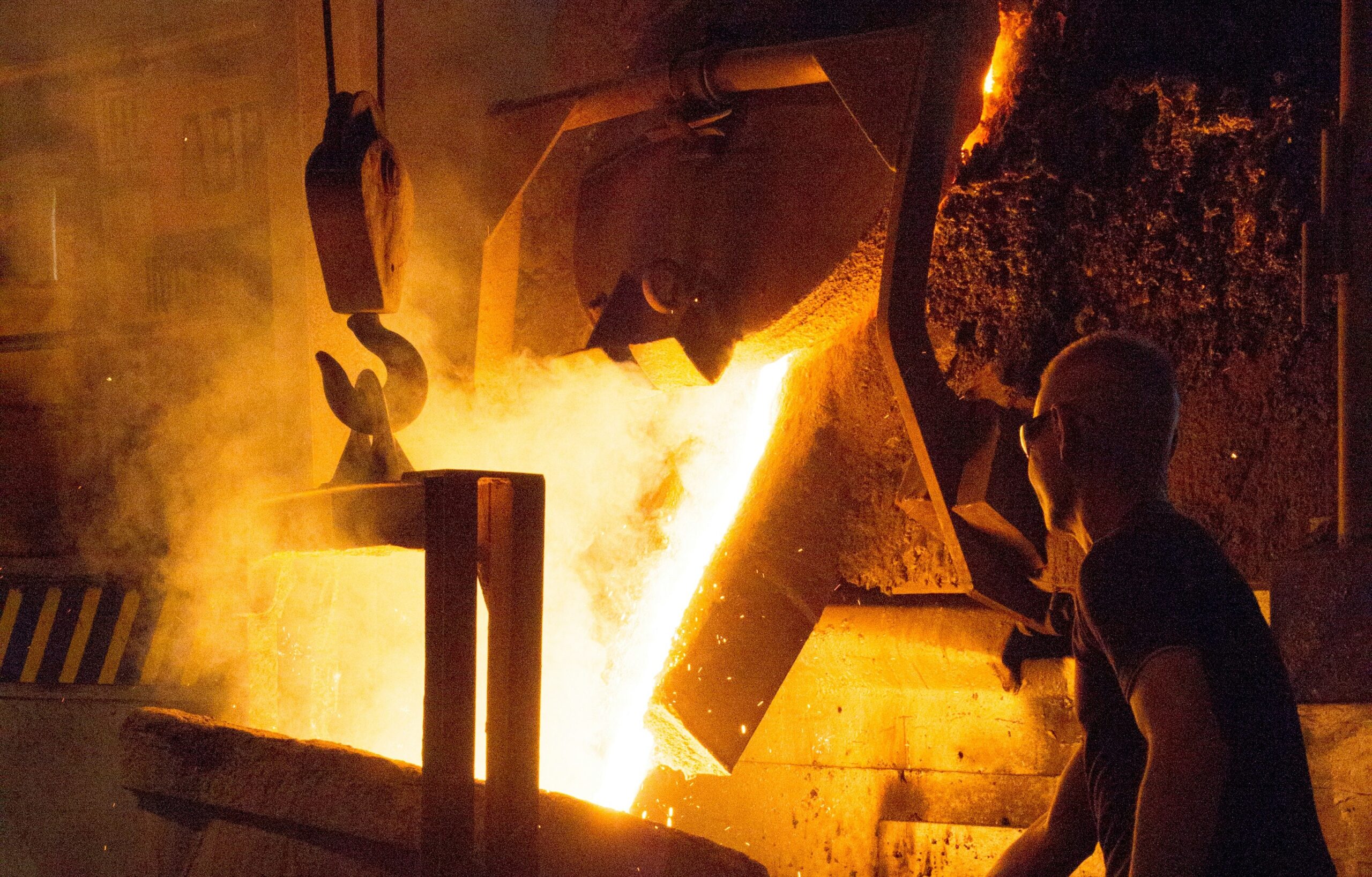
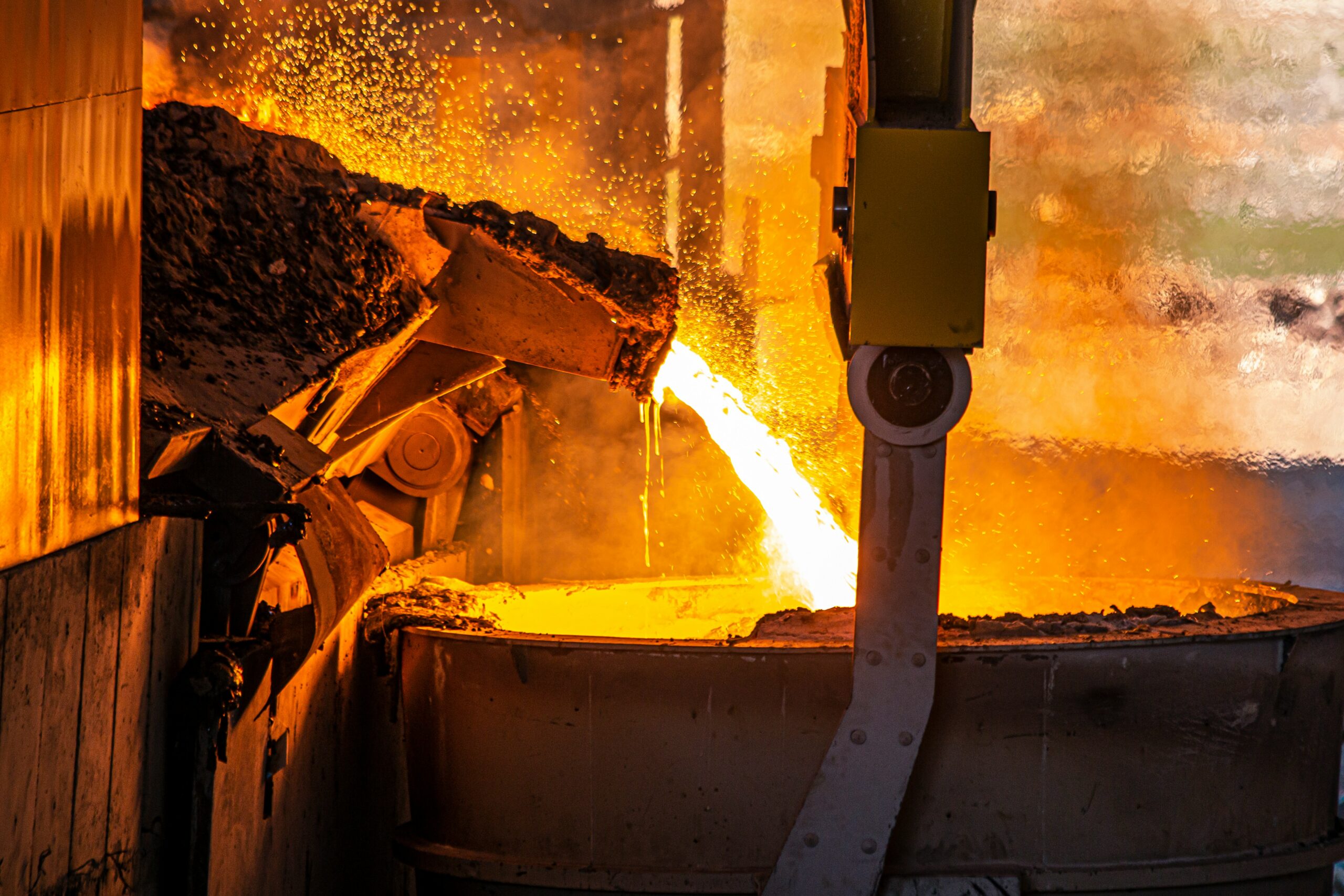
Steel mill interior
Categories News

The Best Distributors Don’t Act Like Distributors

In the steel industry, distributors win on trust that carries from project to project and company to company. Cameron Connect’s success in the steel sector stems from treating every contractor and manufacturer as a long-term investment rather than a transaction.

“The relationships we have with our manufacturers are just as important as the ones we have with our customers,” says Jim Vaughan, national sales director of steel for Cameron Connect.

After spending more than two decades in the steel industry, Vaughan has experienced the significance of business relationships first-hand. His first clients have lasted his entire career; he continues to work on their projects even now.

Trickle-Down Relationships

When people join the steel workforce, Vaughan says, they hardly ever leave. While his first clients may not work for the same company, they’re still active in the industry and take on similar roles elsewhere.

As those individuals move companies, Cameron Connect moves with them. This expands the relationship rather than resetting it. “We started chasing projects along with them, and it continues to grow from there,” he says.

That growth only compounds. His trusted long-term partners have broadened his network by introducing him to other companies.

This partnership-driven model takes territory out of the equation entirely, as he now has business partners in several states across the country.

“We follow projects with these people as they move from plant to plant,” Vaughan says. “Regionality isn’t really a thing with us.”

What This Means for Steel Companies

Strong relationships ensure projects perform better for both contractors and manufacturers. Since each team has experience working with the other, expectations and workflows are familiar to both parties. This often prevents project delays.

Supply challenges and design changes are inevitable. Established relationships across construction, engineering, and procurement make it easier to resolve problems faster. Cameron Connect’s familiarity with steel capital projects across applications allows them to respond quickly. This includes unexpected wire needs that appear on a weekly (sometimes daily) basis.

Perhaps most importantly, trusted relationships reduce financial risk. Trust isn’t tangible, as it shows up in how business is handled.

“We trust each other to do the right thing every time,” says Vaughan. “With all the manufacturers and contractors I’ve worked with in the last 20 years, I’ve never had to write off an invoice.”

These relationships aren’t limited by geography. Since Cameron Connect moves with their partners—and often forms new partnerships in response to that—neither team has to start over when people move companies. The network of trust only expands and continues to move forward.

But this model isn’t common across the steel industry.

Cameron Connect sets itself apart as a long-term partner in the steel industry network.

Why Most Distributors Can’t Operate This Way

In most distributor environments, long-term relationships aren’t at the top of the priority list. Geography limits how relationships are built, and manufacturer relationships are treated separately from those with clients.

This structure makes it difficult to invest in relationships that don’t translate into revenue or to follow people when they switch companies. Cameron Connect operates differently.

Vaughan handles all of the mill’s cable buys, working directly with the owner and the electrical construction crews. In many ways, he is an extension of the team.

“We’re not technically an employee,” he says. “Right now they have 2,000 people out there with all the different trades, and we’re probably the only ones not billing for their time.”

You Can’t Separate the Model from the People

When people join the steel workforce, they’re typically in it for the long haul. And if they plan to have a 20-year career that’s fulfilling, Vaughan says, they must be passionate about their work.

“I love being out in the mill, I love working with contractors, and I love working with my customers,” he explains. “I’ve developed good friends throughout the years, and we do right by each other every time.”

On top of building relationships with customers and manufacturers, it’s important to have team members who share the same passion and value their professional connections.

“I’m a part of the best team in the industry with Mike Broz and Joe Garbus,” Vaughan says. “We’ve worked at three companies together, and you won’t find someone who knows more about the inside of the industry than those two.”

For Cameron Connect, relationships transcend company titles. The most important, long-lasting ones hinge on interpersonal conversations that last an entire project and beyond. For Vaughan, this means being a reliable partner when it matters most.

“When these guys get into the industry, they don’t leave,” he explains. “So we always want to be the company they call.”

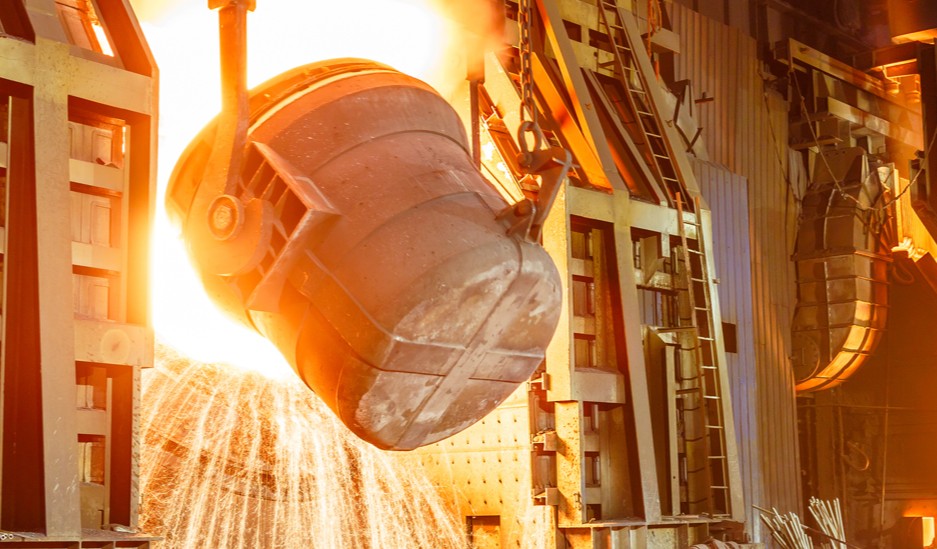
inside a steel mill
Categories News

Greenfield and Growing: An Inside Look at America’s Steel Revival

American steel mills are booming. Jim Vaughan, director of steel sales for Cameron Connect, is currently working on one of the largest greenfield projects in the U.S.—and he doesn’t see momentum slowing down any time soon.

This wasn’t always the case.

Only eight years ago, most American steel mills were either idled or only working a few days a week. Foreign producers started shipping subsidized steel into the U.S. at prices domestic producers couldn’t match. Once Section 232 Tariffs came into place, in 2018, domestic steel began its comeback as mills that had gone dark began reopening.

The Unexpected Side Effects of Tariffs

As idled steel mills came back online, the impact of the tariffs was felt throughout the industry. Section 232 Tariffs reduced imports and generally shifted demand back toward domestic producers, contributing to higher prices and renewed production across U.S. mills.

The tariffs reshaped pricing, production, and where steel gets made.

What’s been less predictable is how foreign companies and manufacturers have responded.

“Companies outside of the U.S. are buying our domestic manufacturers or starting to build here to avoid paying the tariff,” Vaughan says.

This shift is driving a surge of new greenfield projects in the U.S., ultimately meeting demand without the added cost of tariffs.

The result is the same: Steel production has moved back to the U.S. Cameron Connect plays an essential role in keeping these projects on schedule and aligned with spec.

Cameron Connect’s Role in the Greenfield Boom

Greenfield projects are built from the ground up. This poses challenges around lead times and the price contractors pay for a wrong order—especially when they’re on a strict timeline.

“For greenfield projects, the goal is to get everything up and running as fast as possible,” he says. “They want to start generating some kind of revenue for the amount of money they’re putting into the project.”

Since greenfield projects have so many unknowns, Vaughan encourages companies to include Cameron Connect early on in the planning process so they can advise on lead times and cable specifications. Confirming cable specs is where confusion typically occurs across teams.

“Electricians, contractors, manufacturers, and engineers all have their own cable descriptions,” he explains. “We take all of those into account and come up with the type of cable we know they’re looking for.”

These differences may seem minor, but they can be detrimental to the project. Mismatched specifications can delay procurement and create installation issues that ripple across the entire project. Ensuring alignment early on will prevent costly adjustments closer to the startup date.

For instance, most steel equipment comes from European manufacturers. Considering their cables are different from what’s available in the U.S., Cameron will take their measurements and convert the cable into something that is readily available and cost-effective locally.

Taking Unknowns Into Account

For companies tackling greenfield projects, planning for the unexpected is a part of the job. Even the best set plans hit a bump in the road.

“You have to plan for changes,” Vaughan says. “In one instance, we found an ancient burial ground, and you can’t move those. We had to cordon the area off, change the layout of some of the buildings, and change some of the pathways to feed power and utilities into the building.”

From Cameron Connect’s perspective, supplying cables to a greenfield project can be difficult. Vaughan finds it most effective to have 35% of engineering complete before bringing him on to the project, as he’ll have access to historical information based on the type of equipment installed.

Startup dates don’t move, and as that date approaches, timelines compress and cable demand becomes more urgent. “The last 30-35% of the project we need to have that material in stock so we can ship it the next day,” Vaughan explains.

What This Means for Contractors

Early alignment and execution under pressure are essential to the success of greenfield projects.

Even the slightest misstep in cable specifications, equipment sourcing, and timing can delay steel projects in a way that’s difficult to come back from.

That’s why Vaughan encourages companies to bring partners in early so they can establish trust long before the startup date arrives.

“Trust is important. Everyone involved should have a vested interest in making sure the project goes well,” he says. “The earlier customers and businesses choose their partners and the more open the communication, the better the project will be.”

As more greenfield projects come online, the margin for error continues to narrow. Coordination across teams becomes increasingly complex, especially as timelines remain strict and fixed. In a fast-paced environment built on startup dates, establishing strong partnerships determines whether a steel project stays on track or falls behind.

Categories News

What Makes Cable “Fire-Safe” in a Rail Environment

In rail systems, fire safety is built into every material choice, every specification, and every installation. When it comes to cable, the stakes are especially high. 

Cable runs through vehicles, tunnels, and stations. It carries power and signals. And in the event of a fire, it can either limit the spread of danger or contribute to it.

Understanding what makes cable “fire-safe” in a rail environment means looking beyond simple flame resistance. It involves flame behavior, smoke production, toxicity, and the testing standards that verify performance.

Why Fire Performance Matters More in Transit

A fire in a railcar or tunnel presents different challenges than one in an open space. Passengers may be in confined areas. Evacuation routes may be limited. Smoke can travel quickly through enclosed environments.

In these conditions, materials must do more than function electrically. They must help protect passengers and crew. That’s why transit specifications include strict requirements for how cables behave under fire conditions.

Fire-safe cable is designed not just to avoid igniting easily, but to limit flame spread, reduce smoke, and minimize toxic emissions if exposed to fire.

In North America, the foundation of fire-safe transit cable starts with two core specifications from the Association of American Railroads: AAR S-501 and AAR RP-585.

AAR S-501: The Performance Standard

AAR S-501 defines what railcar cable must be capable of doing in real operating conditions. It covers conductor construction, insulation materials, voltage ratings, and environmental durability. But most importantly, it establishes the baseline performance expectations that make a cable suitable for use on rolling stock.

These include resistance to extreme temperatures, oils, mechanical stress, and long-term aging. A cable that meets S-501 isn’t just electrically functional. It’s built to survive the realities of transit service.

RP-585: The Test Methods That Prove It

If S-501 defines the requirements, RP-585 defines how those requirements are verified.

RP-585 outlines the testing procedures used to confirm that a cable can withstand heat, flame exposure, cold shock, mechanical crushing, and electrical overload without failing. It includes vertical flame testing, thermal aging, dielectric withstand after heat exposure, and mechanical durability tests designed specifically for rail environments.

This is where fire safety becomes measurable. A cable isn’t considered compliant because a supplier says it is. It’s compliant because it has passed these tests and can provide documentation showing the results.

The Broader Fire-Safety Framework

Most transit agencies also reference additional standards when evaluating cable performance. These may include:

  • NFPA 130, which governs fire-life-safety requirements in transit tunnels and passenger environments
  • APTA guidance, which often informs agency-level specifications for flame, smoke, and toxicity performance
  • Recognized test methods from UL, ICEA, and ASTM used within RP-585 verification

The exact combination varies by agency, but the expectation is consistent: any cable installed on a railcar must demonstrate verified performance in flame, smoke, toxicity, and electrical reliability.

Why Documentation Matters

Because these standards are so specific, documentation becomes just as important as the product itself.

A compliant cable should be able to provide:

  • Third-party test reports
  • Certification to AAR S-501 performance requirements
  • RP-585 test verification
  • Traceability documentation

Without that documentation, even a technically capable cable can delay a project during review and approval.

That’s why procurement teams increasingly request compliance documentation with the quote rather than after award. It keeps projects moving and reduces the risk of late-stage surprises.

A Closer Look: Flame Resistance

Flame resistance refers to a cable’s ability to resist ignition and limit the spread of fire along its length. In a rail environment, this characteristic helps prevent a localized fire from traveling through cable runs and reaching other parts of a vehicle or facility.

Testing for flame resistance typically involves exposing cable samples to controlled flames and observing how they burn. Standards define acceptable burn lengths, after-flame times, and self-extinguishing behavior.

A cable that meets transit flame standards will not continue burning excessively once the ignition source is removed. This slows the spread of fire and helps contain the situation.

A Closer Look: Smoke

In many fire scenarios, smoke presents a greater immediate danger than flames. Dense smoke can reduce visibility, making evacuation difficult. It can also carry harmful gases.

Transit-grade cables are designed to produce limited smoke when exposed to fire. Testing measures both the amount and density of smoke generated under specific conditions. Lower smoke production improves visibility and gives passengers and emergency responders more time to act.

A Closer Look: Toxicity

Beyond smoke density, the composition of that smoke matters. Burning materials can release toxic gases. In confined environments, those gases can pose serious health risks.

Fire-safe cables are engineered to limit the release of toxic byproducts. Testing evaluates the types and quantities of gases produced during combustion. Standards set thresholds to ensure that emissions remain within acceptable limits.

By reducing toxicity, fire-safe cables help protect passengers, operators, and first responders during an emergency.

The Role of Testing Standards

Fire performance claims must be verified through testing. Transit specifications reference established standards that define how cables are evaluated. These standards outline test methods for flame spread, smoke generation, toxicity, and related performance factors.

Third-party laboratories conduct these tests under controlled conditions. They document results and confirm whether the cable meets required thresholds. That documentation becomes part of the compliance package reviewed by engineers and procurement teams.

Without testing, fire-safety claims remain unverified. With testing, agencies can confirm that installed materials meet the expectations defined in their specifications.

Materials and Design

Fire-safe performance starts with material selection and cable design. Insulation compounds, jacketing materials, and construction methods all influence how a cable behaves under fire conditions.

Manufacturers developing transit-grade cable choose materials that resist ignition, limit smoke, and reduce toxic emissions. They also design cable constructions that maintain electrical integrity under heat exposure for as long as possible.

These design choices are then validated through testing to ensure they perform as intended.

A System-Level Consideration

Fire-safe cable is one piece of a broader safety system. Railcars, stations, and tunnels are designed with multiple layers of protection. Materials that meet fire, smoke, and toxicity standards support those protections and help maintain safe conditions during emergencies.

For agencies, selecting and verifying fire-safe cable isn’t just about compliance. It’s about ensuring that every component in the system performs as expected under the most demanding conditions.

That’s why standards exist, and why testing matters. When fire-safety performance is confirmed upfront, transit systems gain confidence that the materials installed today will support safe operation for years to come.

Categories News

The True Cost of a 20-Week Lead Time in Transit Cable

On paper, a 20-week lead time looks like a scheduling problem. In practice, it’s a system problem.

Most transit projects don’t grind to a halt because of a single missing part. They stall because that missing part sits at the center of a web: labor assignments, service schedules, contractor timelines, and public expectations. When a material delay stretches into months, the ripple effects extend far beyond procurement.

Transit agencies already understand that lead times matter. What’s often less visible is the total cost those delays create once they move from the spreadsheet into the field.

When a Part Isn’t There, Nothing Moves

Consider a typical scenario. A railcar refurbishment is approved. Engineering finalizes the bill of materials. Procurement issues the RFQ. A compliant cable is sourced, but the lead time comes back at 20 weeks.

From a purchasing standpoint, the project still exists. The order is placed. The budget is intact. But in the maintenance facility, the impact is immediate. Crews scheduled to perform the work are reassigned or left waiting. Vehicles remain out of service longer than planned. Other repairs stack up behind the delayed job.

Transit operations rarely have the luxury of idle time. When a vehicle isn’t available, schedules shift. Spare ratios tighten. Service planners make adjustments to keep the system moving. What looks like a procurement delay becomes an operational strain.

Labor Doesn’t Pause With the Project

Labor is one of the largest costs in any transit operation. When materials aren’t available, labor doesn’t simply disappear.

Maintenance teams may be reassigned to other work, but that reshuffling comes with inefficiencies. Work that was planned in sequence becomes fragmented. Crews return to the same vehicle multiple times instead of completing repairs in a single window. Overtime may be required later to catch up once materials arrive.

Contractors feel the impact as well. When outside firms are brought in for specialized work, their schedules are built around material availability. A delayed component can mean rescheduling crews, renegotiating timelines, or paying additional mobilization costs.

Over time, these adjustments add up. The cost of a delayed material isn’t just the price of the part. It’s the cost of disrupted labor.

Service Reliability Takes the Hit

For riders, the effects show up as service changes. A railcar that can’t return to service on schedule reduces fleet availability. Agencies may need to run shorter trains, increase headways, or substitute bus service.

Each of those decisions carries operational and financial consequences. Running bus bridges increases fuel and labor costs. Adjusting schedules affects rider satisfaction and system reliability. Delays tied to equipment availability can erode public confidence, especially when they become frequent.

Transit systems are designed around predictability. When materials arrive late, predictability disappears.

The Compounding Effect of Multiple Delays

A single delayed component is manageable. Multiple delays across a fleet or capital program are harder to absorb.

As agencies work through backlogs, each delayed project pushes another one further down the line. Preventive maintenance may be postponed. Refurbishment programs may stretch longer than planned. Vehicles remain in service beyond their intended maintenance intervals.

The longer this cycle continues, the more expensive it becomes. Emergency repairs replace planned work. Overtime increases. Spare parts inventories fluctuate as teams search for alternatives. What began as a 20-week wait for one item becomes a cascade of adjustments across the system.

Why Availability Matters as Much as Compliance

Transit agencies cannot compromise on compliance. Materials must meet established standards and specifications. But once compliance is confirmed, availability becomes the deciding factor in keeping projects on track.

Stocked materials shorten repair cycles. They allow maintenance teams to work within planned windows. They reduce the need for rescheduling and emergency adjustments.

This is where experienced supply partners make a difference. A supplier that understands transit timelines doesn’t just provide compliant materials. They help agencies anticipate lead times, identify stocked options, and plan around real-world availability.

When availability is considered early—before an RFQ is issued or a contract is awarded—agencies gain flexibility. They can evaluate alternatives, confirm documentation, and align schedules before delays take hold.

Looking Beyond the Purchase Order

It’s easy to view material lead times through the lens of procurement alone. But transit systems operate as interconnected networks. A delay in one area affects many others.

The true cost of a 20-week lead time isn’t just the wait. It’s the labor adjustments, service impacts, and schedule changes that follow. It’s the pressure placed on maintenance teams and the strain on operational planning.

Reducing those costs starts with visibility. Knowing which materials are stocked, which are made to order, and which alternatives exist allows agencies to plan more effectively. It shifts the focus from reacting to delays to preventing them.

In transit, time is a resource. When materials arrive on schedule, projects move forward, crews stay productive, and riders experience fewer disruptions. That’s the value of aligning compliance with availability—and treating lead time as a system-wide consideration rather than a line item on a quote.

Categories News

How Transit Agencies Can Reduce Project Delays Before the RFQ Is Even Released

In public transit, project delays are often treated as an unavoidable fact of life. Lead times stretch. Materials arrive late. Approvals take longer than expected. Schedules slip, and everyone works backward to figure out what went wrong.

But in many cases, the real cause of delay isn’t a supplier issue or a construction problem. It’s something quieter, and it arrives earlier in the process.

By the time an RFQ is released, many transit projects already contain weeks or even months of hidden delay. These delays don’t appear on schedules or dashboards. They surface later as stalled approvals, unavailable materials, missing documentation, or last-minute workarounds that no one planned for.

The good news: many of these delays are preventable. And the opportunity to prevent them comes before procurement officially begins.

The Invisible Delays Baked Into Transit Projects

Most transit agencies are highly disciplined once a project is underway. Engineering scopes are defined. Procurement follows established procedures. Vendors respond. The system works, until it doesn’t.

What often goes unexamined is the period before the RFQ: when specifications are finalized, documentation expectations are assumed, and availability is taken for granted.

This is where invisible delays form.

A specification may reference a legacy product without confirming whether it’s still stocked. Compliance documentation may be assumed to exist but not required until after award. Engineering and procurement teams may be aligned in principle, but not on timing, flexibility, or risk tolerance.

None of these issues cause immediate alarms. But once the RFQ is released, they become difficult and expensive to correct.

The Cost of Treating Procurement as a Handoff Instead of a System

Transit procurement is often structured as a sequence: engineering finishes its work, then hands the project to procurement, which then hands it to suppliers.

That linear approach worked when timelines were generous and supply chains were predictable. Today, it introduces risk.

When documentation is reviewed only after award, approvals slow down. When availability isn’t validated early, lead times become surprises. When specs are written too narrowly, technically equivalent options are excluded before they’re even considered.

The result is lost flexibility at the moment agencies need it most.

By getting out ahead of procurement efforts before the RFQ, partners like Cameron Connect can help agencies address those hidden delays and risks with real customer service and industry know-how. 

Why Pre-RFQ Clarity Matters More Than Ever

Transit agencies are operating in an environment defined by aging fleets, workforce shortages, and compressed capital schedules. Projects that once had years of buffer now operate under tighter scrutiny and higher public expectations.

In that context, procurement can no longer be purely reactive.

Reducing delays means asking different questions earlier:

  • Are the materials we’re specifying realistically available?
  • Do we have compliance documentation in hand before selection?
  • Are our specs performance-based or locked to habit?
  • Are engineering and procurement aligned on where flexibility exists?

These questions prevent rework later.

Cameron Connect’s Role: A Pre-Problem Partner

This is where Cameron Connect is intentionally positioned as a pre-problem partner.

A pre-problem partner doesn’t wait for an RFQ to appear. They help agencies identify risk before it hardens into delay. That means supporting teams earlier in the process by:

  • Validating availability assumptions
  • Clarifying compliance documentation requirements
  • Flagging where legacy specs may limit options
  • Helping align engineering intent with procurement reality

In practice, this reduces the number of “unexpected” issues that emerge after award—when fixes are slower, more expensive, and more disruptive.

From Reaction to Readiness

The shift is subtle but powerful: moving from reacting to procurement problems to designing them out in advance.

Agencies that do this well are strengthening oversight by making sure the process reflects how transit projects actually move today, not how they moved decades ago.

Compliance remains the baseline. Availability becomes a differentiator. Preparedness becomes the advantage.

***

A Practical Tool: The Pre-RFQ Delay Prevention Checklist

To make this approach actionable, here’s a simple checklist transit agencies can use before releasing an RFQ.

Pre-RFQ Delay Prevention Checklist

Specification Clarity

  • ☐ Does the spec describe performance and standards, not a single manufacturer or legacy part number?
  • ☐ Are technically equivalent, fully compliant alternatives explicitly allowed?
  • ☐ Has engineering confirmed the spec reflects current operational needs?

Compliance Documentation Timing

  • ☐ Are test reports, certifications, and traceability documents required with the quote?
  • ☐ Has engineering defined what documentation must be reviewed prior to award?
  • ☐ Is there a clear internal process for early compliance review?

Availability and Lead-Time Reality

  • ☐ Have real-world lead times been validated for critical materials?
  • ☐ Do we know which items are commonly stocked versus made-to-order?
  • ☐ Has availability risk been evaluated against project and service timelines?

Engineering–Procurement Alignment

  • ☐ Are engineering and procurement aligned on schedule risk tolerance?
  • ☐ Is there agreement on which requirements are fixed and where flexibility exists?
  • ☐ Have both teams reviewed procurement sequencing before release?

Supplier Readiness and Expertise

  • ☐ Does the supplier demonstrate transit-specific experience?
  • ☐ Can they explain real-world application, not just provide spec sheets?
  • ☐ Are they equipped to support documentation, substitutions, and approvals?

Risk Perspective

  • ☐ Are suppliers being evaluated on total project impact, not unit price alone?
  • ☐ Have downstream impacts of material delays been identified?
  • ☐ Is there a partner involved early enough to flag problems before award?

Final Gut Check

  • ☐ If this RFQ were delayed by eight weeks, would we know why—or would we be surprised?

If the answer is “surprised,” the risk likely started before the RFQ.

transit rail cable over railcars
Categories News

Verifying Your Cable Supplier’s Compliance Claims: A How-To Guide

In the transit industry, cables face especially harsh conditions. While enduring extreme temperatures ranging from sub-zero to well over 150 degrees Fahrenheit, these cables are also prone to getting crushed, eroded, and bent during day-to-day operations. But most dangerously, cables could contribute to fire spread or generate toxic smoke if they aren’t properly tested and certified before use.

For procurement managers sourcing these materials, verifying the claims made by suppliers is essential risk management. If a non-compliant cable is found while a rail system is tested during final inspection, the project could be stalled for months and rack up retrofit costs that will likely exceed six figures.

Cameron Connect’s Exrad cable meets all compliance specs, but we want to demonstrate just how important this matter is.

Knowing what to look for when evaluating vendors and suppliers is key to finding the right cables for a railway system. After all, buying cables that “meet requirements” is much different from purchasing ones that have been tested and documented to meet AAR S-501 requirements using RP-585 test methods.

What Is AAR S-501?

Focusing on ensuring the durability, safety, and reliability of cables across a wide range of factors, AAR S-501 compliance looks for the following during compliance testing:

Conductor material: The conductor, or the metallic core that carries electricity through the cable, must be composed of soft annealed copper, tinned or lead alloy coated, and stranded according to the standard’s charts.
Insulation: cables must have a protective coating or insulation to prevent electrical leakage and shock. Think high-performance, cross-linked insulation materials such as XLPO.
Voltage ratings: cables with different voltage ratings must have corresponding minimum insulation thickness.
Temperature range: Temperature performance is validated through RP-585 testing, including cold bend at –55°C and cold shock at –40°C, plus thermal aging and heat resistance tests up to 158–175°C, with dielectric withstand requirements after exposure.
Environmental resistance: cables must resist common environmental hazards in a rail setting, including caustic cleaning solutions, crushing forces, fungus growth, and oil.

What Is RP-585?

While AAR S-501 establishes what cables must maintain, RP-585 defines how those claims are verified through testing. Understanding what these cables can withstand is essential, but grasping how they’re tested and certified is equally as important. The verification process consists of four main parts:

Flame retardance: cables are exposed to a controlled flame source to determine if their maximum flame retardance and toxicity characteristics meet broader fire safety standards.
Mechanical strength: cables, both new and aged, are stretched to test their tensile strength over time.
Electrical performance: cables endure voltage withstand tests, also known as electrical safety evaluations, to ensure they meet specific insulation values.
Cold performance: cables are put through “cold bend” tests at temperatures as low as -67 degrees and -40 degrees Fahrenheit to ensure they don’t crack below freezing.

Understanding what these standards mean and how they’re tested is one thing. Making sure your cable supplier meets them is another.

Verifying Supplier Claims

For cables, “meets requirements” is a far cry from being tested and certified. While a cable can technically meet design requirements, it can fail miserably when put to the test. Take a cable that meets the AARS-501 insulation requirements, for example. It could technically be thick enough to be compliant, but what if it’s made from inferior materials that crack in frigid temperatures? Not good.

However, that won’t stop some cable suppliers from trying to make a sale anyway. They could claim their cables meet S-501 requirements, but self certification does not equate to having an accredited third party putting cables through the S-501 test.

Installing non-compliant cables can have catastrophic consequences. Removing and replacing each cable would be time-consuming, expensive, and inconvenient. But moving forward with the project without tested and certified cables may result in cascading system failures, loss of operating certifications, and safety risks that could have been avoided.

But rest assured, an ISO-accredited third-party test laboratory will provide documentation that a proper AAR S-501 test was conducted.

Questions to Ask During the Procurement Process

Knowing the right questions to ask can reveal warning signs during supplier conversations. Procurement managers should ask about the following to ensure the cables meet their specific needs: quality, supplier evaluations, cost considerations, safety, and technical applications.

Here’s a sample question for each of these categories:

Quality: Can you provide third-party testing reports showing your cables have been tested to meet AAR S-501 standards?

Supplier evaluations: What is your typical lead time from order to delivery?

Cost considerations: What payment terms do you offer, and do you charge extra for order cancellations or modifications?

Safety: What temperatures have you tested your cables at? Can you provide that test data?

Technical applications: How long would your cables last in our operating environment? What factors would shorten their lifespan?

If a supplier can’t answer some of these questions or verify that their cables have been tested and certified by a third party, it would be smart to go with a different vendor who can provide adequate documentation.

Once a procurement manager finds a supplier that confidently answers questions in all of these categories, they can move forward with the cable installation with peace of mind. But most importantly, they will finish their railway project on time, on budget, and with quality materials that are certifiably safe and up to AAR S-501 standards.

careers in transit
Categories News

Careers in Transit: Essential and AI-Proof

Like many industrial fields, new talent in the transit industry has been scarce in the last decade. No one is more aware of this than Patrick McNamara, national sales director of transit and renewables at Cameron Connect. As a regular walker of tradeshow floors at industry events, he has seen the same familiar faces in the 30 years he’s been in the transit business.

Running into old industry partners (and friends) is to be expected; the transit industry is only so big. But this starts to become a problem when these industry professionals consider retirement and start to age out of their careers. Who will take their place?

“There’s not a lot of new blood coming into the industry,” McNamara says. “It’s a concern for me because I’m not going to be here forever. We’re going to need other people to get wire cable and other materials to the market.”

Transit is essential to keeping cities up and running. It’s an industry that people rely on and will continue to need for years to come. In the same vein, with rising concerns about artificial intelligence eliminating jobs in the workplace, transit infrastructure offers a mostly “AI-proof” career option.

Growing the transit workforce addresses two critical problems in the U.S. today: keeping an essential field up and running while providing job stability. Let’s break it down in more detail.

Why Cities Need Transit

Public transit is critical to any city, but it’s especially important for residents in lower- to middle-income areas who use it to lower their monthly expenses. According to a report from Urban Institute, poor public transportation options limit job access, create wider income gaps, and increase unemployment.

There are also many convenience benefits that come with efficient public transit. These include: 

  • Reduced traffic congestion: With fewer vehicles on the road, there are less traffic jams and delays.
  • Affordable mobility: Transit makes transportation more accessible for people of all ages and income levels.
  • Economic growth: Trains and subways make it easier for people to get to work and customers to get to businesses.

A robust transit industry with a strong workforce would enhance these benefits even further. This is especially true as more people rely on trains and railways for transportation in the post-COVID years.

Back with a Bang

McNamara explains how, like airlines, transit ridership declined significantly in 2020. People who rode a train or bus opted to walk or drive to their nine-to-five instead since the transit system had shut down indefinitely. However, the industry has rebounded steadily over the last five years, but not as fast as other modes of public transportation.

“The airlines are certainly back and then some. You can’t get on a plane without it being full,” McNamara says. “Transit is coming back, too. A little slower than that, though.”

He went on to explain how passenger rail travel wasn’t expected to resume until 2025-2027. Next year, he thinks, will be a much stronger year for the transit industry as people settle back into their pre-COVID lives.

“The majority of us aren’t as worried about COVID anymore,” McNamara says. “We’re flying, taking trains, and doing our best to get back to normal.”

With more people riding trains and railways, more workers are needed to keep them running.

A Future-Proof Career

The transit industry has a human element that AI and technology can’t replace. Throughout McNamara’s decades-long career in the business, one thing has remained true: the importance of maintaining industry relationships and meeting customers face-to-face.

“I’m still a firm believer that you have to sit down across from people, whether it be the engineer or the actual guys installing some of this cable or the purchasing director,” he says. “You have to see who you’re dealing with.”

And while there is a looming fear that AI will take over many jobs in the workplace, a career in transit appears to be safe. As an essential part of public life with physical elements to it, people who work in this industry will likely make it out of an “AI takeover” unscathed. 

Just think about it: Would ChatGPT be able to prevent a railway emergency or talk to a customer to offer a detailed solution to their transit problem? Probably not.

“You can go online to look up the specs of wire cable, but it won’t tell you how another company fixed the same issue you’re having,” McNamara says. “That information is not going to be in a spec sheet. You’re going to need to talk to someone about their cables and their project to see if it will work.”

Building the Transit Industry Up

Beyond being AI-proof, a career in transit offers opportunities that younger generations continue to miss out on: human connection, establishing important industry relationships, and knowing a business from the inside out. 

As time marches on and McNamara continues to walk tradeshow floors, he envisions a future where industry newcomers bring fresh ideas to age-old challenges in transit. Over the next 10 years, the industry will continue to bounce back from COVID and industry veterans like McNamara will draw even closer to retirement.

As the window for transit professionals to pass on their knowledge starts to close, the need for “new blood” in the industry is more important than ever.

Categories News

What Every Transit Agency Should Know About Railcar Lifespan and Refurbishment

It’s a common story in most major jurisdictions in the U.S.: Transit agencies are running railcars far beyond their intended 25–30-year lifespan. It’s not hard to see why. Budget limits, delayed capital programs, and rising costs for new vehicles have left agencies with few options but to keep older trains in service. 

Today, about one-third of the nation’s subway and commuter rail vehicles are over 25 years old, and some fleets average closer to 40. A few systems are still running cars built more than 50 years ago.

The result is predictable. Transit agencies see that breakdowns are more frequent and maintenance costs keep climbing. Inevitably, riders and taxpayers feel the impact through service delays. 

To keep trains reliable, agencies are turning to smarter maintenance strategies, focusing on refurbishment programs and closer partnerships with suppliers.

The Cost of Keeping Old Equipment Running

Rail cars are designed to last about 30 years. Yet nearly half of all heavy-rail subway cars in the U.S. are beyond that benchmark, and some fleets are decades overdue for replacement. New York’s subway still operates cars more than 40 years old, while Cleveland and Chicago have railcars that first entered service in the 1970s.

Once trains age past their design life, costs rise quickly. 

Studies show that operating costs per mile increase by about 35% once a vehicle exceeds 10 years old. Parts wear out faster and electrical systems fail more often. Then, again, come the inevitable delays and compounding frustrations for riders. When New York City Transit tracked its 40-year-old R46 cars, one line saw delays double in a single year due to recurring equipment issues.

Old trains cost more to fix, yes, but they also pose higher safety and reliability risks. This is another compounding problem for transit agencies.

As of 2022, nearly 30% of U.S. metro and subway cars were rated in poor or marginal condition, meaning they need major repair or replacement. Every extra year a car stays on the rails increases the likelihood of mechanical failures and costly emergency repairs. What seems like saving money by postponing replacements often ends up costing more in the long run. It’s a tale as old as time.

Maintenance Teams Under Pressure

Aging fleets also put enormous strain on maintenance departments. 

Many components from older railcars are obsolete, forcing technicians to hunt for parts, buy from secondary markets, or fabricate their own. Certain transit agencies may find that some replacement parts for 1970s-era cars have to be custom-built or sourced online, with delays stretching over 20 weeks. Elsewhere, crews might routinely “cannibalize” parts from out-of-service trains just to keep others running.

Some agencies are turning to creative solutions. St. Louis Metro, for example, uses 3D printing to manufacture discontinued components, saving both time and money. But even with innovations like this, keeping older trains running is labor-intensive and expensive.

Meanwhile, there’s a growing shortage of skilled transit mechanics. Agencies report 15–25% vacancy rates for maintenance jobs, and nearly 40% of current workers are eligible to retire within five years. Many veteran technicians who understand the quirks of older equipment  are leaving faster than new hires can replace them. Training programs have declined, and the skills required for today’s hybrid of analog and digital systems are increasingly specialized.

This shortage forces agencies into a reactive cycle. When something breaks, emergency repairs take priority, while preventive maintenance gets delayed. Over time, that reactive approach drives up costs and shortens the remaining life of already-aging trains.

Refurbishment: A Practical Bridge Strategy

So, what’s the solution for this multifaceted problem?

Because new train orders often take years (and budgets are tight), many agencies are running refurbishment jobs to buy time. Rebuilding existing trains can extend their life by another 10 to 20 years at a fraction of the cost of buying new ones.

A refurb typically includes rebuilding traction motors, updating electrical and braking systems, replacing door and HVAC units, and refreshing interiors. The results can be dramatic. 

For example, Sound Transit in Seattle approved a $92.7 million program to overhaul its 58 Sounder commuter rail coaches, extending their service life to nearly 40 years. The cost, about $1.6 million per car, is roughly one-third the price of a new coach.

Other systems have seen similar success. 

In the 1980s, New York City Transit overhauled more than 4,000 subway cars. The work doubled their reliability and postponed billions in new equipment costs. It was a landmark success, one still worth referencing in the 2020s as we face the same problems. 

Refurbs like these work best when guided by solid data: agencies evaluate each car’s structure, failure history, and even part availability on the market before deciding which are worth rebuilding. Cost-per-mile analysis and condition assessments help justify the investment to boards and other oversight organizations. 

When done right, refurbishment delivers strong value. A proper refurb can extend service life and improve reliability while allowing agencies to plan future replacements more strategically.

The Growing Importance of Supply Partnerships

As agencies work to extend fleet life, many are strengthening relationships with specialized vendors like Cameron Connect who can provide critical expertise and resources. These partnerships help fill gaps that aging fleets create, especially around parts, labor, and compliance.

  1. Parts and Inventory Support – Older trains rely on discontinued or custom parts that can be hard to find. Partnering with suppliers who stock hard-to-find components helps reduce downtime. Reliable inventory and short lead times mean fewer cars sidelined for lack of a single component.
  2. Contracted Maintenance Services – When internal crews are stretched thin, agencies often bring in outside help. Specialized contractors handle complex subsystems or help clear maintenance backlogs. This “surge capacity” keeps more trains on the rails while allowing in-house staff to focus on preventive work.
  3. Refurbishment Program Management – Overhaul projects are complex and often span years. Many agencies partner with engineering firms or manufacturers to coordinate the work, manage supply chains, and ensure quality control. These partners act as an extension of the agency, keeping projects on schedule and compliant with federal safety standards.
  4. Engineering and Compliance Expertise – Vendors who understand APTA and FTA standards can speed up approvals for new components, like cable, or rebuilds. Their technical documentation and experience with legacy systems help agencies meet modern safety and accessibility requirements without costly delays.

By combining stocked parts with engineering know-how, these partnerships create a stronger support network for agencies managing aging fleets.

Supporting the Backbone of Transit

Railcars are the foundation of every major transit system. When they age beyond their intended lifespan, it affects everything that the public experiences. Think service reliability, safety, and public trust. But with data-driven planning and proactive refurbishment, agencies can keep older fleets safe and dependable until broader replacement jobs arrive.

Vendors like Cameron Connect demonstrate how this model works, combining product availability with deep technical expertise. We help agencies maintain the trains that keep cities moving, even when funding or procurement cycles lag behind demand.

Ultimately, sustaining reliable transit service comes down to smart stewardship of the assets already in service. With collaboration, agencies can keep America’s aging rail fleets rolling safely, cost-effectively, and confidently toward the next generation of transit.

Categories News

How Transit Agencies Can Streamline Procurement Without Sacrificing Compliance

If there’s one thing every procurement team in public transit knows too well, it’s this: the real delays don’t always come from the work itself. They come from the process.

The biggest pain point blocking efficiency in transit projects today is procedural. It’s the legacy procurement habits that keep agencies locked into slow workflows, outdated specs, and “safe” single-supplier routines that no longer match the demands of modern transit systems.

In other words: Transit doesn’t struggle because it lacks capability. It struggles because it lacks flexibility.

But it doesn’t have to stay that way.

This guide explores how procurement and project teams can reduce delays, expand their supplier options, and still meet every compliance requirement—without adding risk or cutting corners.

The Procurement Paradox

Transit agencies operate in one of the most regulated environments in the public sector. Specs exist for good reason: public safety, structural reliability, and long-term value. But the same controls that protect projects can also slow them to a crawl if they’re not supported with modern processes.

Here’s what that looks like on the ground:

  • A cab car refurb is approved and funded.
  • Engineering preps the BOM.
  • Procurement sends out the RFQ.
  • The lowest bidder wins, but they may need 20 weeks to deliver the cable.

The project stalls. Crews wait. The agency shifts riders to replacement bus service to keep the line moving.. Everyone wonders why the fix isn’t happening.

The answer isn’t a budget problem. It isn’t a labor shortage. It’s paperwork, and the way it’s been handled for decades.

Where the Process Breaks Down

Let’s look at the most common bottlenecks that block progress:

Single-Source Comfort Over Risk Management

Agencies stick with one legacy supplier—not because it’s the best option, but because it’s familiar. That worked when project timelines were generous and infrastructure needs were predictable. Not anymore.

Even fully compliant, technically equivalent products may be excluded before they’re reviewed. As a result, agencies miss out on availability, pricing, and supply-chain flexibility.

Paperwork That Happens Too Late

Under old models, compliance documentation arrives after award. That’s where delays multiply. If a certificate is missing or a test report is out of date, procurement has to circle back through layers of engineering, legal, and QA.

None of these problems are technical. They’re structural. And they’re solvable.

How to Streamline Procurement Without Sacrificing Compliance

Procurement teams aren’t just buyers—they’re risk managers and project enablers. If the process moves smarter, the entire system benefits.

Here’s where to start.

  1. Prioritize Availability for the Items That Can Be Stocked

Specs will always dictate certain materials, and not every item can sit on a shelf. But for the cables that are commonly used in repairs, refurbs, and repeat builds, availability matters as much as compliance. 

When evaluating suppliers, ask for clear visibility into stocked inventory, typical lead times, and past fulfillment performance. That’s where Cameron Connect adds value: core Exrad items are ready to ship when the project allows it.

  1. Require Compliance Documentation With the Quote, Not After

Move document review to the front of the workflow.

Bid language should say: “All compliance certificates, test results, and traceability documents must be included with the proposal.”

That one sentence can save 4–6 weeks of post-award back-and-forth.

  1. Write Specs That Allow Equivalents

Instead of mandating a single model number, use performance-based language: “Cable shall meet or exceed NYCTA-approved standards for flame, smoke, toxicity, and irradiation performance.”

This opens the door to qualified alternatives—while maintaining all safety and regulatory protections.

  1. Choose Partners, Not Just Vendors

Lowest bid isn’t lowest cost when lead times stall the project.

New procurement question: “Does this supplier understand transit timelines—and can they help us stay on schedule?”

This is where Cameron Connect adds value. With deep transit experience, stocked product, and manufacturer alignment, the company is built to support real-world project pressures.

Why Speed Matters More Than Ever

Transit systems are entering a historic rebuild phase. Federal funding is flowing. Car fleets are being modernized. Projects that have been “on the list” for years are finally in motion.

And that momentum brings pressure.

  • More vehicles to refurbish.
  • More parts to replace.
  • More stakeholders watching timelines.

But the supply chains originally built for multi-year capital cycles don’t match the pace of today’s expectations. The industry needs new options. That’s where Exrad comes into play.

Real-World Insight: The Stocked Cable Advantage

Here’s a simple comparison from the old days to the new landscape with Exrad on the market:

Old model:

  • Cable spec locked to a single supplier
  • 16–20 week quoted lead time
  • Repairs wait for material
  • Costs increase, deadlines slip

Modern model:

  • Equivalent cable (Exrad) approved and stocked
  • Documentation already verified
  • Material ready to ship in 48–72 hours
  • Repair completed in days, not quarters

That’s what happens when procurement is built around readiness instead of reaction.

A New Procurement Mindset

This idea is all about optimizing internal systems for the way transit works now:

Compliance is the baseline. Availability is the differentiator. Preparedness is the advantage.

Procurement teams who embrace this shift won’t just reduce delays—they’ll redefine what efficient public infrastructure looks like.

A Quick Exrad Checklist for Procurement Teams

Want faster projects without risking compliance? Start here:

■ Exrad is the new alternative to cable on the market

■ Exrad can offer your team the required compliance documents and test reports from manufacturing 

■ Exrad offerings prioritize stocked inventory and great pricing

■ The Exrad team, Cameron Connect, delivers industry expertise to help guide your purchase 

■ Exrad can help your team achieve efficient install with reasonable lead times, if any

Closing Thought

Transit systems shouldn’t be waiting on paperwork when the work is ready to go. The more procurement evolves, the more reliable public infrastructure becomes.

Cameron Connect helps build supply chains that keep transit moving.

Want to talk through how stocked Exrad cable can reduce downtime and eliminate procurement delays? Let’s connect.

Categories News

Why Transit Supply Chains Need Expertise as Much as Inventory

Public transit depends on parts, but it runs on people. Behind every repair order, every uptime statistic, and every fleet modernization project is a network of engineers, buyers, technicians, and planners whose institutional knowledge keeps the system moving.

That network is changing. Fast.

Across North America, transit agencies are watching a large share of their most experienced people retire at the same time that hiring pipelines are thinning out. Engineering teams are smaller. Procurement offices are stretched. Maintenance departments are balancing new technology, aging fleets, and the pressure to deliver more with fewer hands.

Material availability matters. But expertise matters just as much—often more.

Inventory can be stocked. Knowledge cannot.

A Workforce in Transition

Many agencies are working with teams that are smaller than they were a decade ago. That gap shows up in a few ways:

  • Fewer engineers available to review technical data
  • Less time to examine equivalent products or alternative sourcing
  • Reduced comfort taking on new vendors
  • Shrinking institutional memory about past projects and approvals
  • Limited bandwidth to manage complex supply questions

These pressures don’t stay contained inside the agency. They spill outward—into schedules, vendor expectations, and the supply chain itself.

The result is familiar across the industry: Decisions are harder. Delays are longer. Projects move slower than the people running them prefer.

The Hidden Burden on Procurement

Procurement teams receive the weight of these changes first.

When a cable spec hasn’t been reviewed in 15 years and the engineer who originally wrote it has retired, the path of least resistance is to reorder from the same source. Not because it’s better, but because changing the spec feels risky.

When internal review cycles get backed up, even compliant materials stall at the approval stage. Procurement becomes a bottleneck not because of inefficiency, but because the organization has fewer subject-matter experts available to validate what’s in front of them.

Transit buyers need suppliers who bring clarity, context, guidance, and seasoned technical understanding—before the PO is ever written.

Why Experience in the Supply Chain Matters

A stocked warehouse solves one half of the problem. A knowledgeable partner solves the other.

Experienced distributors understand how the pieces fit together:

  • What happens in a maintenance bay when a single cable is out of stock
  • How refurb schedules break down when lead times jump unexpectedly
  • Which compliance documents an engineer will need before considering a spec change\
  • How to anticipate demand based on past cycles, fleet age, and project history
  • What kind of data procurement officers need to feel confident in a decision

This context turns a supplier into a real collaborator—someone who helps the agency work through the decision, not just react to it.

Bridging the Knowledge Gap: Where Expertise Shows Up Most

Bottom line, transit buyers need clarity. They need partners who understand the industry’s rhythms, its risks, and the stakes of every delay.

Experience shows up in places that don’t make the RFP:

1. Interpreting technical data

Cable is cable until it isn’t.

Burn profiles, jacket compounds, irradiation processes, and environmental ratings matter. A partner with deep product understanding can walk through the nuances quickly, saving engineers hours of research.

2. Translating between engineering and procurement

Many agencies are short-handed. A partner who speaks both languages—technical and operational—eliminates back-and-forth, speeds approval cycles, and clears uncertainty.

3. Predicting what’s needed before it’s needed

Experienced teams recognize patterns: common failure points, recurring part shortages, seasonal maintenance cycles. That insight shapes stocking decisions and keeps lead-time surprises from becoming service disruptions.

4. Offering guidance on alternative sourcing

Introducing a second source isn’t just about finding another cable. It’s about understanding compliance, test reporting, legacy specs, past agency decisions, and the path to acceptance. Expertise accelerates this process.

5. Supporting the agency when internal knowledge walks out the door

When a senior engineer retires, the supply chain feels it.

Partners with long histories in the industry can help maintain continuity, filling gaps and offering perspective until the agency rebuilds its internal bench.

The Rising Value of Experienced Partners

Agencies are under pressure to deliver projects faster and stretch every dollar further. That pace doesn’t leave room for guesswork.

In a tight labor market, the partner on the other end of the phone becomes part of the extended team. The more that partner understands the industry—its materials, its failures, its timelines, its people—the stronger the entire system becomes.

This is the model Cameron Connect represents: Inventory backed by insight. Products backed by understanding. Supply backed by decades of experience in how transit really works.

Where Transit Goes From Here

Modernization is all about strengthening the human infrastructure behind the material one.

Agencies will rebuild their teams. New engineers will step in. Young procurement specialists will take on bigger roles. But that transition will take time, and the work cannot stop in the meantime.

Until then, the supply chain has to carry more of the weight.

The partners that transit agencies rely on must do more than ship cable—they must help guide decisions, reduce complexity, and support the people tasked with keeping fleets on the rails.

Cameron Connect

Hi! Let us know how we can help and we’ll respond shortly.


    This site is protected by reCAPTCHA and the Google Privacy Policy and Terms of Service apply.