
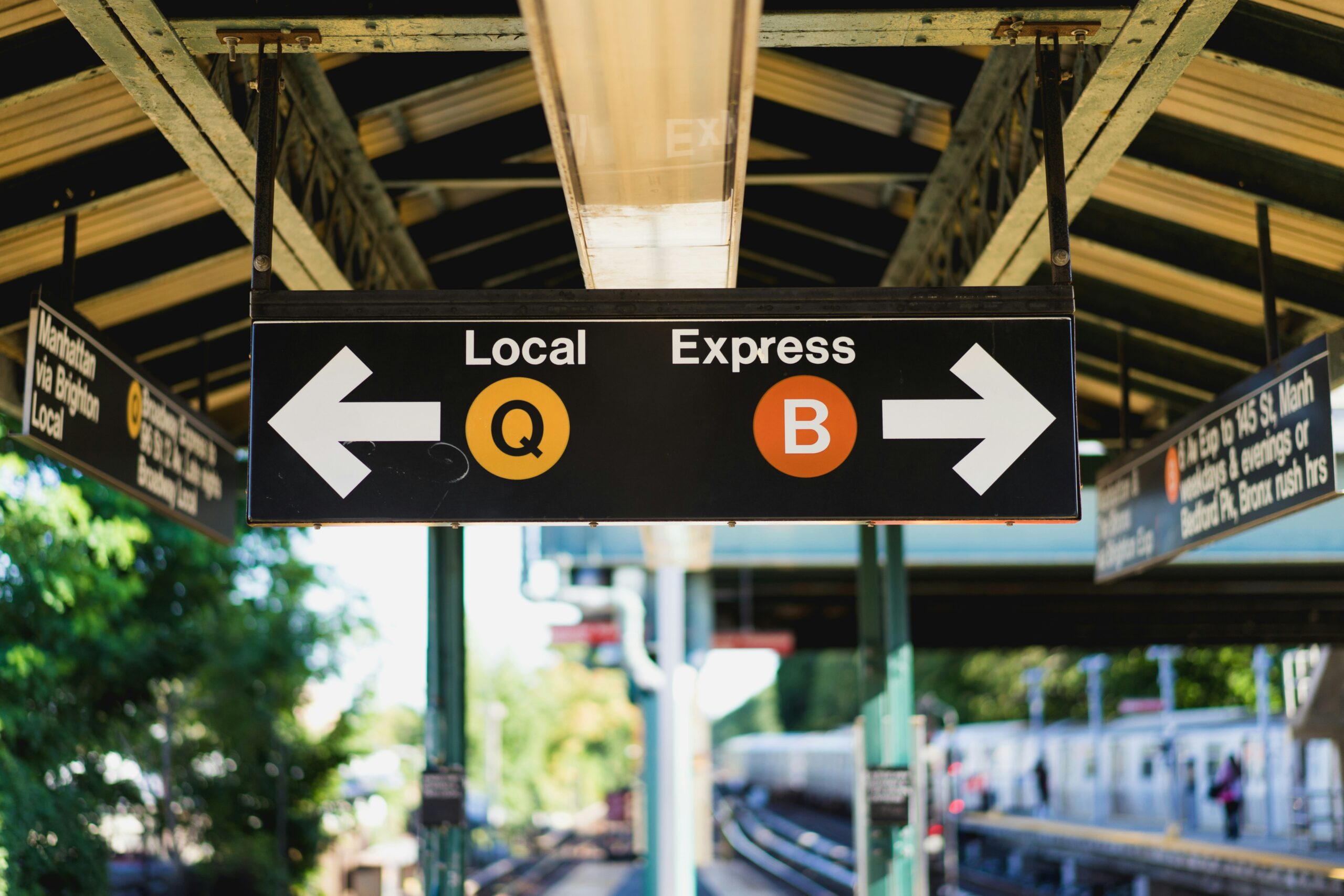
Like many industrial fields, new talent in the transit industry has been scarce in the last decade. No one is more aware of this than Patrick McNamara, national sales director of transit and renewables at Cameron Connect. As a regular walker of tradeshow floors at industry events, he has seen the same familiar faces in the 30 years he’s been in the transit business.
Running into old industry partners (and friends) is to be expected; the transit industry is only so big. But this starts to become a problem when these industry professionals consider retirement and start to age out of their careers. Who will take their place?
“There’s not a lot of new blood coming into the industry,” McNamara says. “It’s a concern for me because I’m not going to be here forever. We’re going to need other people to get wire cable and other materials to the market.”
Transit is essential to keeping cities up and running. It’s an industry that people rely on and will continue to need for years to come. In the same vein, with rising concerns about artificial intelligence eliminating jobs in the workplace, transit infrastructure offers a mostly “AI-proof” career option.
Growing the transit workforce addresses two critical problems in the U.S. today: keeping an essential field up and running while providing job stability. Let’s break it down in more detail.
Why Cities Need Transit
Public transit is critical to any city, but it’s especially important for residents in lower- to middle-income areas who use it to lower their monthly expenses. According to a report from Urban Institute, poor public transportation options limit job access, create wider income gaps, and increase unemployment.
There are also many convenience benefits that come with efficient public transit. These include:
- Reduced traffic congestion: With fewer vehicles on the road, there are less traffic jams and delays.
- Affordable mobility: Transit makes transportation more accessible for people of all ages and income levels.
- Economic growth: Trains and subways make it easier for people to get to work and customers to get to businesses.
A robust transit industry with a strong workforce would enhance these benefits even further. This is especially true as more people rely on trains and railways for transportation in the post-COVID years.
Back with a Bang
McNamara explains how, like airlines, transit ridership declined significantly in 2020. People who rode a train or bus opted to walk or drive to their nine-to-five instead since the transit system had shut down indefinitely. However, the industry has rebounded steadily over the last five years, but not as fast as other modes of public transportation.
“The airlines are certainly back and then some. You can’t get on a plane without it being full,” McNamara says. “Transit is coming back, too. A little slower than that, though.”
He went on to explain how passenger rail travel wasn’t expected to resume until 2025-2027. Next year, he thinks, will be a much stronger year for the transit industry as people settle back into their pre-COVID lives.
“The majority of us aren’t as worried about COVID anymore,” McNamara says. “We’re flying, taking trains, and doing our best to get back to normal.”
With more people riding trains and railways, more workers are needed to keep them running.
A Future-Proof Career
The transit industry has a human element that AI and technology can’t replace. Throughout McNamara’s decades-long career in the business, one thing has remained true: the importance of maintaining industry relationships and meeting customers face-to-face.
“I’m still a firm believer that you have to sit down across from people, whether it be the engineer or the actual guys installing some of this cable or the purchasing director,” he says. “You have to see who you’re dealing with.”
And while there is a looming fear that AI will take over many jobs in the workplace, a career in transit appears to be safe. As an essential part of public life with physical elements to it, people who work in this industry will likely make it out of an “AI takeover” unscathed.
Just think about it: Would ChatGPT be able to prevent a railway emergency or talk to a customer to offer a detailed solution to their transit problem? Probably not.
“You can go online to look up the specs of wire cable, but it won’t tell you how another company fixed the same issue you’re having,” McNamara says. “That information is not going to be in a spec sheet. You’re going to need to talk to someone about their cables and their project to see if it will work.”
Building the Transit Industry Up
Beyond being AI-proof, a career in transit offers opportunities that younger generations continue to miss out on: human connection, establishing important industry relationships, and knowing a business from the inside out.
As time marches on and McNamara continues to walk tradeshow floors, he envisions a future where industry newcomers bring fresh ideas to age-old challenges in transit. Over the next 10 years, the industry will continue to bounce back from COVID and industry veterans like McNamara will draw even closer to retirement.
As the window for transit professionals to pass on their knowledge starts to close, the need for “new blood” in the industry is more important than ever.