
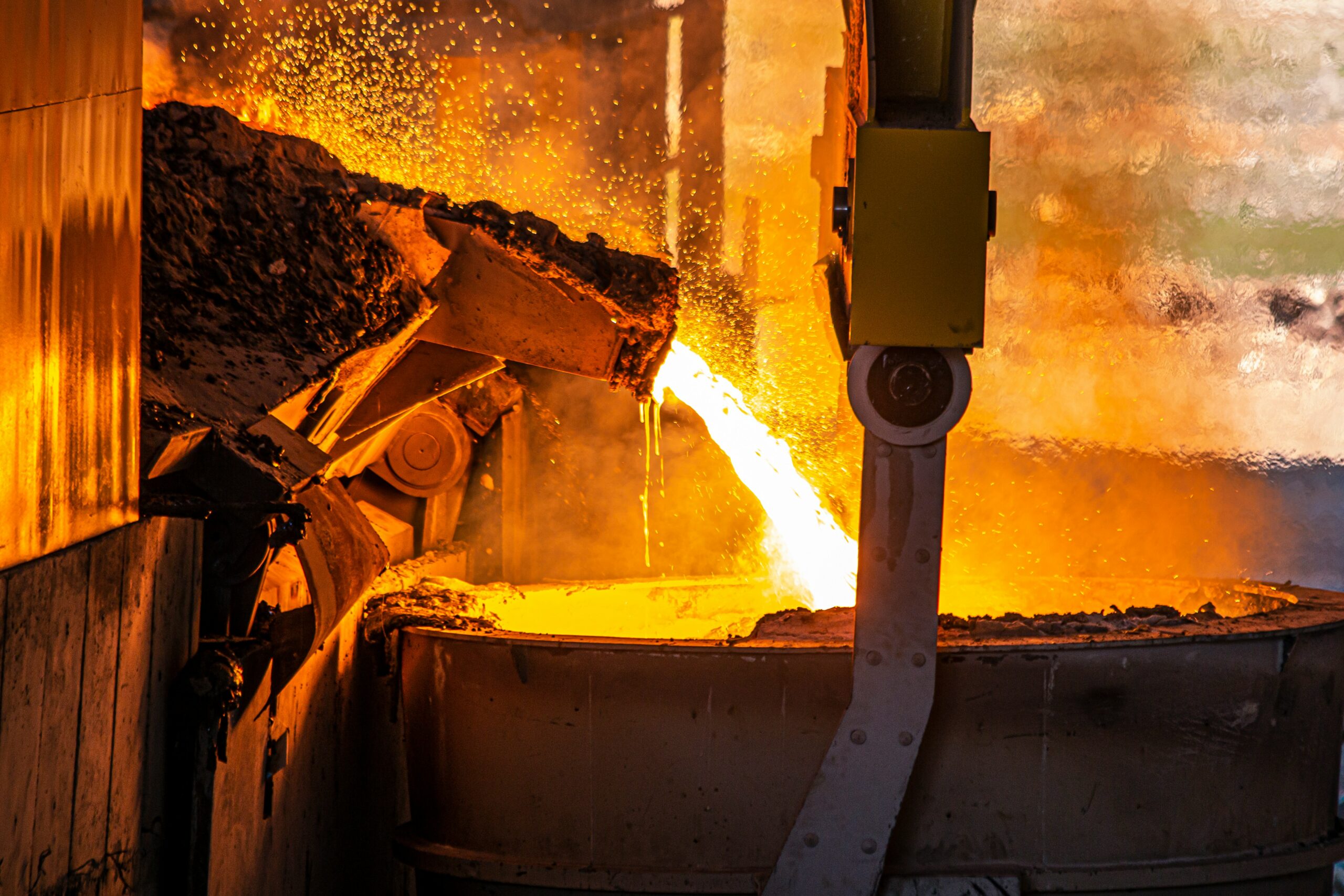
Like many professions in the skilled trades, the steel sector is sourcing from a shrinking labor pool.
This affects all players involved in steel projects, including engineers, suppliers, and electricians. But electricians face the steepest shortfall. In fact, The Bureau of Labor Statistics estimates that there will be a shortage of 81,000 electricians every year between 2024 and 2034.
“The part that really affects us is the lack of electricians,” says Jim Vaughan, national sales director for steel at Cameron Connect. “Labor-wise, it all comes back to the shortage of electricians.”
When crews are stretched thin, spec errors slip through the cracks. And getting the wrong specs can push a project well past its deadline.
“About 80% of the materials are accurate for the proportions that are designed,” Vaughan says. “That means there are constant fire drills going on because they recognize that they need a cable but it wasn’t built into the bill of materials.”
Avoiding those fire drills starts before the cable order goes through.
Working With the Right Supplier Matters
When a cable doesn’t meet the right specs, steel mills must rely on suppliers to identify the correct cable needed on-site.
“They really need to work with a supplier that specializes in these types of projects,” Vaughan says. “This enables them to continue making progress.”
But what happens when a supplier isn’t available for immediate customer support? The answer may lie in who’s left to pick up the phone.
“From a wire distribution perspective, the industry is built on the foundation of the talent that sat at the desk,” Vaughan says. “In 10 years, that talent is going to age out of the workforce.”
The expertise sitting behind the desk is extremely valuable. When someone calls in looking for a specific cable they can’t find online, these industry experts can save a project deadline and ensure the steel mill is designed with cables that have been sourced and specified correctly from the start.
That knowledge gap is widening on the procurement side, too. For suppliers, it’s clear that many present buyers don’t come from the wire cable space or aren’t familiar with it.
“When I have an electrician saying they need a six-gauge red cable, it’s up to us to dig in and find out what the application is,” Vaughan explains. “So I think the service we’re providing will grow exponentially over the next 10 years.”
The Need for Experienced Support
As veteran contractors retire and newer, inexperienced contractors take their place, working with a knowledgeable cable supplier is more important than ever.
Vaughan and his team draw on experience from both sides of the industry.
“We bring experience and expertise from both the desk standpoint and the field standpoint,” he says. “We don’t spend all our time waiting for a phone call or sitting behind the desk waiting for an email.”
When a new contractor is assigned to a project, they’re expected to get to work as soon as possible. This means they don’t have time to research what cables they need or whether the information they’re receiving from engineers is correct.
As a result, the supplier must take the information they’re given from contractors, verify it, and figure out which cables they need to complete a project.
Their job gets much more difficult if an incorrect cable has already been ordered.
The Cost of Getting the Wrong Cable Specs
If the wrong cables arrive on-site, it costs the project owner more than money.
“When they order the wrong cable, they find out when it’s delivered,” Vaughan explains. “So you’re driving the cost up, you have to wait till the other cable gets there to keep working, and that all compounds to delays.”
In the steel industry, every day is project-oriented. There are daily spot buys that suppliers complete, and it’s all done within projects—making it that much more important for deadlines to be met.
Delays are inevitable at times, and mistakes will be made. Cameron Connect makes a conscious effort to prepare for them by keeping popular cables in stock.
“We’re constantly looking ahead based on the progress of the project to make sure we have material on order,” Vaughan says. “We know what configurations will be needed next, and we put those into production to make sure we have the right cables when customers need them.”
Staying ahead of demand will be even more important if workforce gaps continue to widen.
Filling Workforce Gaps
With less experienced contractors, engineers, and electricians working on steel mill projects, cable suppliers have had to be more hands-on.
“We get requests from customers daily asking what kind of cable they need,” Vaughan explains. “We’ll give them a list of questions to ask the engineers, which makes them sound more intelligent in the long run, which helps them dial into the correct cables. And once we get the answers from them, we’ll give them the cable form they need.”
For steel mills navigating a shrinking labor pool, a supplier who can ask the right questions and source the right cable isn’t nice to have. It’s how a project gets done on time and on budget.