
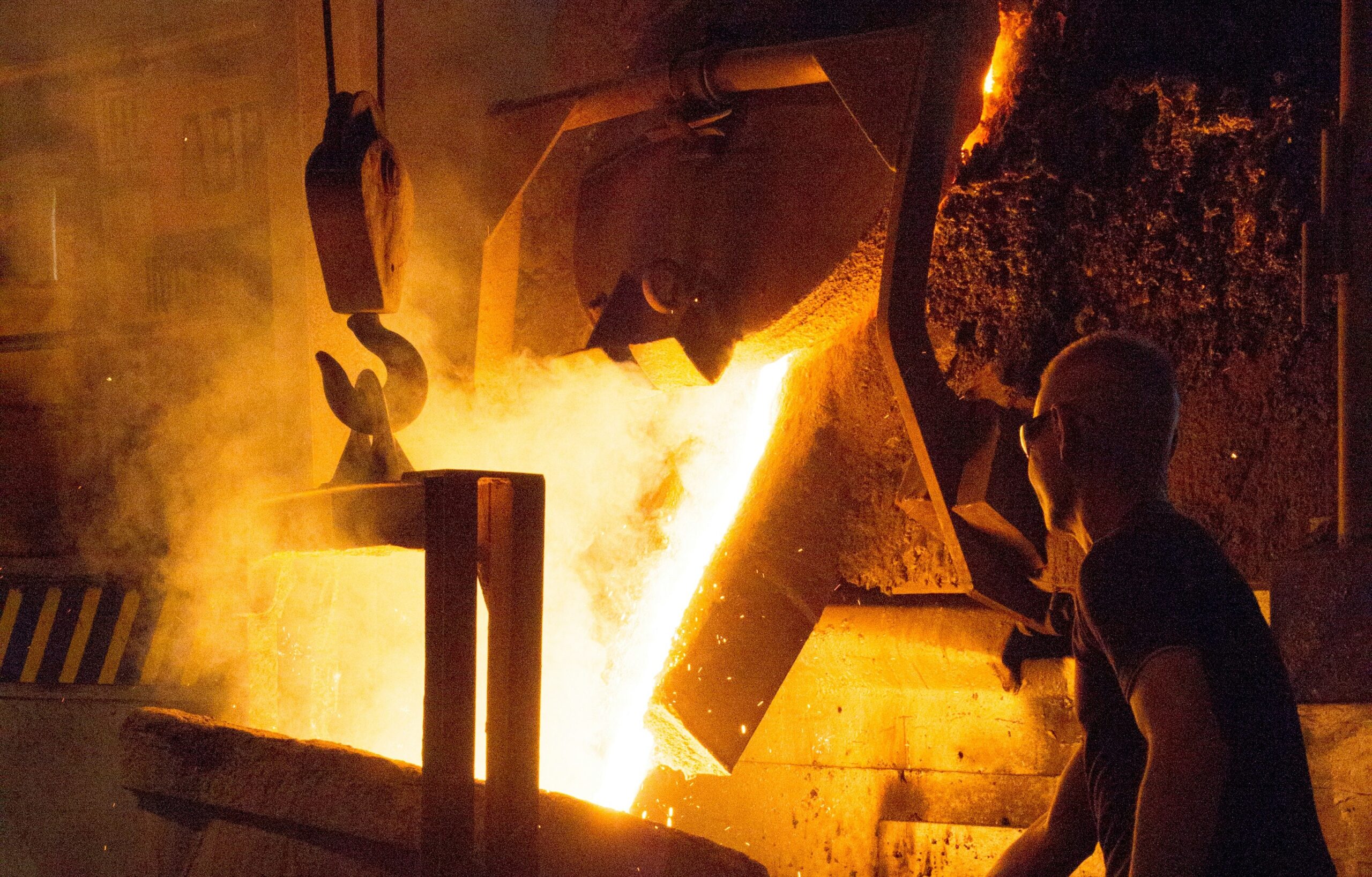
In a steel mill, a skipped maintenance check can be the difference between a productive day and a catastrophe.
“Safety should be a top priority for steel mill workers,” says Jim Vaughan, national director of steel sales for Cameron Connect. “There’s a lot of equipment, a lot of heat, and a lot of electricity.”
This makes maintaining the steel mill critical. The equipment and cables that keep the mill running aren’t going to last forever. As a cable supplier, Cameron Connect recognizes that.
“There’s no perfect cable for a steel mill,” he says. “We used to tell people that if you think you have a product that can survive anything, put it in a steel mill and see what happens.”
In steel mill environments, equipment and cables degrade faster than anywhere else. Rather than waiting for a cable to fail or equipment to break down, operators should protect themselves by performing routine maintenance.
What Happens When Operators Defer Maintenance?
If operators don’t plan routine maintenance, Vaughan says, then maintenance will schedule it for them.
“If you don’t maintain your equipment, then it will break down at the most inopportune time,” he explains. “Most of our customers have scheduled downtime to do maintenance, and that’s definitely something they should be doing.”
When operators defer maintenance, it puts them in a critical position. The equipment that broke needs to be replaced as soon as possible. This typically means they have to pay a higher cost for the cable as well as an expedite fee—but that’s not all.
“If they weren’t able to bring the plant down properly, there could be lost product, lost materials, and lots of other issues,” Vaughan says. “It’s big dollars, especially for the bigger steel mills.”
Why Do Operators Defer Maintenance?
Steel mills defer maintenance for several reasons. In recent years, Section 232 Tariffs, which reduced steel imports and shifted demand toward American steel producers, have caused many mills to push their capacity.
“The tariffs have resulted in significant investment in steel production in the U.S.,” he says. “Everybody’s sales have increased, so their outputs have increased.”
This is more of an issue for smaller steel companies, as larger companies have the ability to shift production. Bigger steel companies perform the same tasks in different areas of the mill—smaller mills do not. As a result, they can’t shut down a “redundant” part of the mill like the big mills can.
Working closely with a supplier like Cameron Connect makes deferring maintenance much less of an issue. By helping steel mills respond to the expedited schedule and ensuring they use high quality cables, the company helps keep the steel mills running.
What Happens When Routine Maintenance Fails?
Cameron Connect only sees a dozen emergency situations per year. And while that may seem like a small number, a steel mill outage is no small problem.
“When a mill goes down and the plant doesn’t have redundancies built into its systems, it could be a ‘completely down’ situation,” Vaughan says. “If something goes out, there’s usually going to be an incident that takes out equipment, conduit, cabling, and sometimes personnel. This could also cause additional problems downstream.”
While these situations are disastrous and sometimes preventable, it’s possible for steel mills to recover. Cameron Connect keeps a constant inventory of the cables and configurations that are used in all areas of the mill.
“Being partnered with the right wire supplier that knows what you need and how to address the impact of an incident is critical,” he explains. “They need to get back up and running as soon as they can because downtime is dollars.”
Knowing how to respond matters. But for most mills, emergencies are the exception.
How Can Steel Mills Shift to Preventative Maintenance?
According to Vaughan, about 80% of U.S. steel mills are on a routine preventative maintenance schedule. It’s worth noting that most of these mills are newer ones—it tends to be a different story for older steel mills.
“Many older mills start servicing or planning an outage based on where they think it will fail in the near future,” he says.
Unlike larger, updated mills that can shift production to other areas, older mills rarely have that flexibility. Auditing equipment, establishing baselines, and building inventory requires downtime—and dollars—they simply cannot afford.
Cameron Connect aims to make this transition easier. It often works closely with a steel mill’s maintenance team, encouraging them to be aware of long lead times should an emergency situation occur.
“We’ll help mills build a wire and cable inventory so they can respond to these situations fast,” he says. “We encourage them to develop critical spares continuously, ensuring they have what they need in stock.”
For steel mills operating on a reactive schedule, the message is clear: the cost of preventative maintenance is much less than the cost of recovery.