
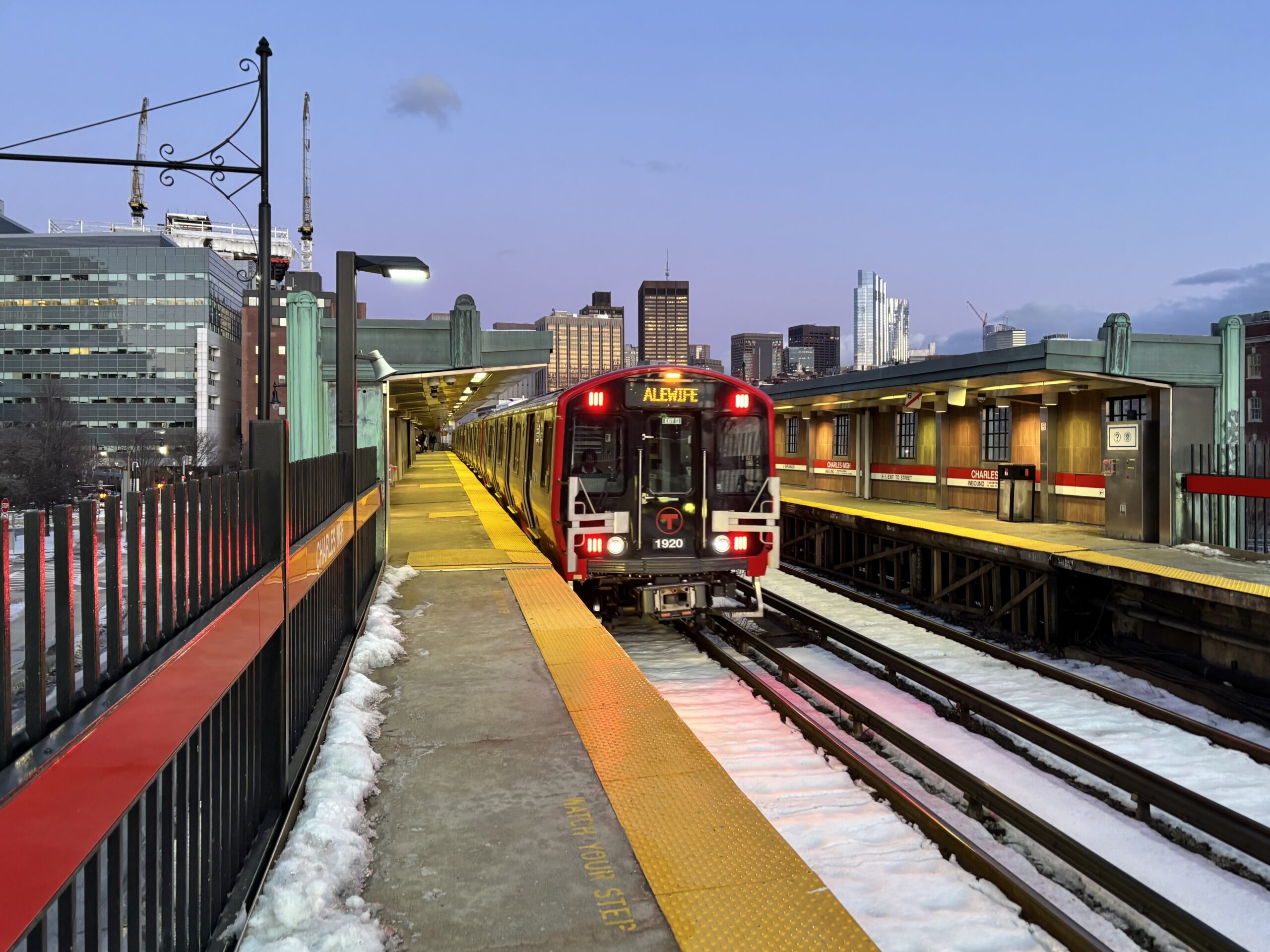
It’s a common story in most major jurisdictions in the U.S.: Transit agencies are running railcars far beyond their intended 25–30-year lifespan. It’s not hard to see why. Budget limits, delayed capital programs, and rising costs for new vehicles have left agencies with few options but to keep older trains in service.
Today, about one-third of the nation’s subway and commuter rail vehicles are over 25 years old, and some fleets average closer to 40. A few systems are still running cars built more than 50 years ago.
The result is predictable. Transit agencies see that breakdowns are more frequent and maintenance costs keep climbing. Inevitably, riders and taxpayers feel the impact through service delays.
To keep trains reliable, agencies are turning to smarter maintenance strategies, focusing on refurbishment programs and closer partnerships with suppliers.
The Cost of Keeping Old Equipment Running
Rail cars are designed to last about 30 years. Yet nearly half of all heavy-rail subway cars in the U.S. are beyond that benchmark, and some fleets are decades overdue for replacement. New York’s subway still operates cars more than 40 years old, while Cleveland and Chicago have railcars that first entered service in the 1970s.
Once trains age past their design life, costs rise quickly.
Studies show that operating costs per mile increase by about 35% once a vehicle exceeds 10 years old. Parts wear out faster and electrical systems fail more often. Then, again, come the inevitable delays and compounding frustrations for riders. When New York City Transit tracked its 40-year-old R46 cars, one line saw delays double in a single year due to recurring equipment issues.
Old trains cost more to fix, yes, but they also pose higher safety and reliability risks. This is another compounding problem for transit agencies.
As of 2022, nearly 30% of U.S. metro and subway cars were rated in poor or marginal condition, meaning they need major repair or replacement. Every extra year a car stays on the rails increases the likelihood of mechanical failures and costly emergency repairs. What seems like saving money by postponing replacements often ends up costing more in the long run. It’s a tale as old as time.
Maintenance Teams Under Pressure
Aging fleets also put enormous strain on maintenance departments.
Many components from older railcars are obsolete, forcing technicians to hunt for parts, buy from secondary markets, or fabricate their own. Certain transit agencies may find that some replacement parts for 1970s-era cars have to be custom-built or sourced online, with delays stretching over 20 weeks. Elsewhere, crews might routinely “cannibalize” parts from out-of-service trains just to keep others running.
Some agencies are turning to creative solutions. St. Louis Metro, for example, uses 3D printing to manufacture discontinued components, saving both time and money. But even with innovations like this, keeping older trains running is labor-intensive and expensive.
Meanwhile, there’s a growing shortage of skilled transit mechanics. Agencies report 15–25% vacancy rates for maintenance jobs, and nearly 40% of current workers are eligible to retire within five years. Many veteran technicians who understand the quirks of older equipment are leaving faster than new hires can replace them. Training programs have declined, and the skills required for today’s hybrid of analog and digital systems are increasingly specialized.
This shortage forces agencies into a reactive cycle. When something breaks, emergency repairs take priority, while preventive maintenance gets delayed. Over time, that reactive approach drives up costs and shortens the remaining life of already-aging trains.
Refurbishment: A Practical Bridge Strategy
So, what’s the solution for this multifaceted problem?
Because new train orders often take years (and budgets are tight), many agencies are running refurbishment jobs to buy time. Rebuilding existing trains can extend their life by another 10 to 20 years at a fraction of the cost of buying new ones.
A refurb typically includes rebuilding traction motors, updating electrical and braking systems, replacing door and HVAC units, and refreshing interiors. The results can be dramatic.
For example, Sound Transit in Seattle approved a $92.7 million program to overhaul its 58 Sounder commuter rail coaches, extending their service life to nearly 40 years. The cost, about $1.6 million per car, is roughly one-third the price of a new coach.
Other systems have seen similar success.
In the 1980s, New York City Transit overhauled more than 4,000 subway cars. The work doubled their reliability and postponed billions in new equipment costs. It was a landmark success, one still worth referencing in the 2020s as we face the same problems.
Refurbs like these work best when guided by solid data: agencies evaluate each car’s structure, failure history, and even part availability on the market before deciding which are worth rebuilding. Cost-per-mile analysis and condition assessments help justify the investment to boards and other oversight organizations.
When done right, refurbishment delivers strong value. A proper refurb can extend service life and improve reliability while allowing agencies to plan future replacements more strategically.
The Growing Importance of Supply Partnerships
As agencies work to extend fleet life, many are strengthening relationships with specialized vendors like Cameron Connect who can provide critical expertise and resources. These partnerships help fill gaps that aging fleets create, especially around parts, labor, and compliance.
- Parts and Inventory Support – Older trains rely on discontinued or custom parts that can be hard to find. Partnering with suppliers who stock hard-to-find components helps reduce downtime. Reliable inventory and short lead times mean fewer cars sidelined for lack of a single component.
- Contracted Maintenance Services – When internal crews are stretched thin, agencies often bring in outside help. Specialized contractors handle complex subsystems or help clear maintenance backlogs. This “surge capacity” keeps more trains on the rails while allowing in-house staff to focus on preventive work.
- Refurbishment Program Management – Overhaul projects are complex and often span years. Many agencies partner with engineering firms or manufacturers to coordinate the work, manage supply chains, and ensure quality control. These partners act as an extension of the agency, keeping projects on schedule and compliant with federal safety standards.
- Engineering and Compliance Expertise – Vendors who understand APTA and FTA standards can speed up approvals for new components, like cable, or rebuilds. Their technical documentation and experience with legacy systems help agencies meet modern safety and accessibility requirements without costly delays.
By combining stocked parts with engineering know-how, these partnerships create a stronger support network for agencies managing aging fleets.
Supporting the Backbone of Transit
Railcars are the foundation of every major transit system. When they age beyond their intended lifespan, it affects everything that the public experiences. Think service reliability, safety, and public trust. But with data-driven planning and proactive refurbishment, agencies can keep older fleets safe and dependable until broader replacement jobs arrive.
Vendors like Cameron Connect demonstrate how this model works, combining product availability with deep technical expertise. We help agencies maintain the trains that keep cities moving, even when funding or procurement cycles lag behind demand.
Ultimately, sustaining reliable transit service comes down to smart stewardship of the assets already in service. With collaboration, agencies can keep America’s aging rail fleets rolling safely, cost-effectively, and confidently toward the next generation of transit.